

How To Diagnose A Failing Alternator: Common Alternator Problems
A failing alternator can cause several issues that are hard to ignore. However, many of these symptoms can be caused by other components. To help you correctly diagnose your alternator, we have put together a handy guide that will ensure you only replace it when it is actually faulty.
Common Symptoms With Failing Alternators
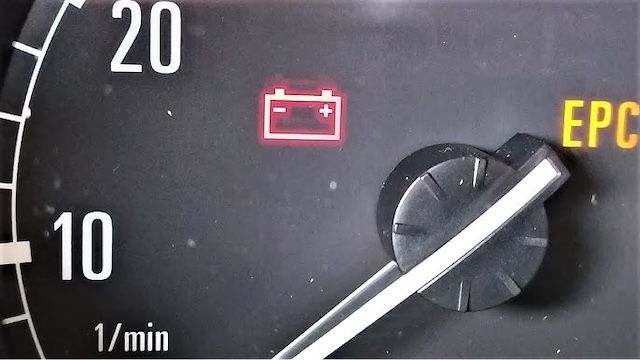
Your Subaru’s alternator is reliable, but like all car components, it may develop issues over time.
These symptoms can indicate a failing alternator:
- Battery not charging: The alternator might not charge the battery properly while the vehicle is running.
- Dim lights: Headlights and interior lights may dim due to insufficient power from the alternator.
- Odd noises: Whining or grinding noises can indicate alternator problems. The noises often sound similar to serpentine belt or pulley issues.
- Electrical issues: Intermittent problems with the car's electrical systems may occur. This can also be due to corroded wiring or a flat battery.
- Warning lights: The battery or alternator warning light may illuminate on the dashboard.
What Causes The Alternator To Fail?
The cause of alternator problems comes down to a few common issues:
- Wear and tear: Alternators will wear out over time. Their lifespan depends on how often you use your vehicle, as well as the overall condition of the battery and wiring. If your alternator has done over 80,000 miles, it may be time for a new one.
- Worn bearings: Worn bearings can cause the whining or grinding noises we mentioned earlier. This puts extra strain on the alternator, reducing its efficiency and eventually leading to failure.
- Fluid leaks: If power steering fluid, oil, or coolant leaks onto the alternator, it can corrode or short out.
- Loose or damaged belts: Belts that drive the alternator can slip or break. This will cause your vehicle to drain its battery as it tries to run the auxiliary devices without the alternator to keep it charged.
- Overloading: Installing non-OEM electrical parts will strain the alternator. And potentially cause premature failure.
- Faulty Batteries: A failing or faulty battery will put a strain on the alternator.
If you are experiencing some of the issues listed above, it’s time to move on to the troubleshooting phase.
Diagnosing And Troubleshooting Methods
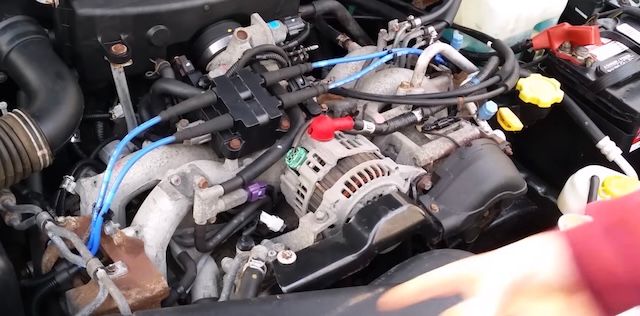
Image Credit: TheDIYGuyDOTnet
If you are experiencing some of the issues listed above, it’s time to move on to the troubleshooting phase.
- Check the Battery
A weak or dead battery can mimic alternator problems, so check that it is fully charged and in good condition. If you have access to a Multimeter, a properly charged battery should show between 12.4 and 12.7 Volts, when the engine is not running.
- Listen for Noises
Open the hood and start the car. Listen for any whining or grinding noises coming from the alternator. This can indicate bearing or belt issues.
- Inspect the Belts
Look at the belts connected to the alternator. Ensure they are tight and in good condition. Replace them if they are worn or damaged.
- Check the Connections
Inspect all electrical connections to the alternator for signs of corrosion or looseness. Clean and tighten connections as needed.
- Test the Alternator Output
Use a Multimeter to measure the voltage at the battery terminals while the engine is running. It should read between 14.2 and 14.7 Volts. If it's lower, the alternator may not be charging correctly.
- Look for Warning Lights
If the battery or alternator warning light is on, it can indicate a problem with either or both parts. If the Multimeter test showed nothing amiss, use a diagnostic tool to read any error codes from the vehicle's computer.
OEM Subaru Alternator Parts From Subaru Parts Plus
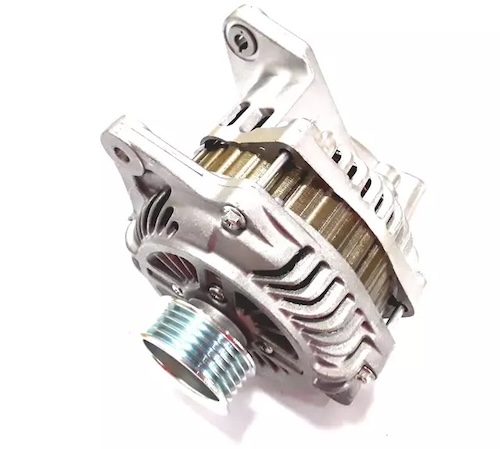
Ignoring a failing alternator for too long will eventually damage the battery and cause it to fail itself. This will leave you stranded and with an additional repair bill to contend with. It is always best to be proactive and diagnose the issues as soon as you notice them.
If your Subaru’s alternator is indeed faulty, then always replace it with an OEM part from Subaru Parts Plus. We have been supplying quality OEM Subaru parts since 2005. Every part we sell is genuine, sold at wholesale prices, and comes with Subaru’s manufacturer warranty.
We stock a full range of alternators and alternator accessories. We have the perfect OEM replacement brackets, pulleys, and cable assemblies for whatever model Subaru you drive.
Our staff are as passionate about Subarus as you are. We are available to help you online or over the phone at 1-888-294-4979. If you have alternator issues, get in touch today, and let us find you the perfect OEM replacement part.