

How To Tell If Your Subaru Needs A Wheel Alignment
If your Subaru is pulling to one side while driving, if you're experiencing uneven tire wear, crooked steering, or strange vibrations, you may need an alignment. To clearly answer the question: Does my Subaru need a wheel alignment? - we need to dig a little deeper. A properly aligned Subaru suspension system enhances handling, boosts fuel efficiency, and extends tire life - so you don't want to ignore the need. However, the answer isn’t always obvious. This guide will help you diagnose whether a Subaru wheel alignment is needed or if another issue is at play. Read on to learn more!
Common Symptoms Of A Bad Alignment
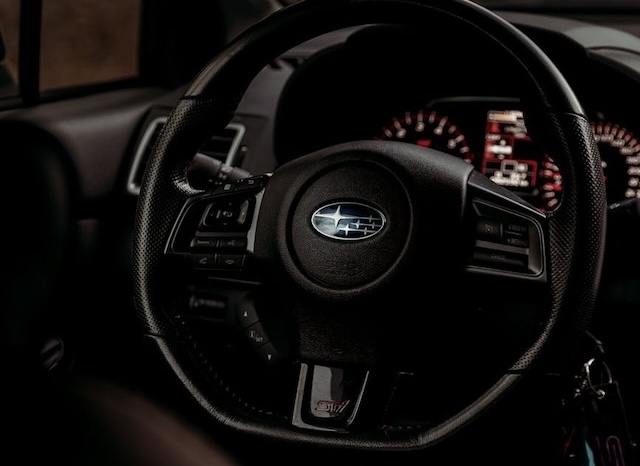
An alignment alone is an easy fix, but you want to rule out costlier issues first. If your Subaru needs alignment, you'll notice some common alignment symptoms, including:
- Left or right vehicle drift - even on a straight road
- A crooked steering wheel when driving straight
- Rapid or uneven tire wear
- A loose or unstable feel to the steering wheel
- Tires squealing during turns
If you notice one or more of these Subaru alignment warning signs, it’s time to act. Getting regular Subaru alignment checks can prevent further damage to your Subaru suspension parts and keep your vehicle performing at its best.
When Should You Schedule A Subaru Wheel Alignment?
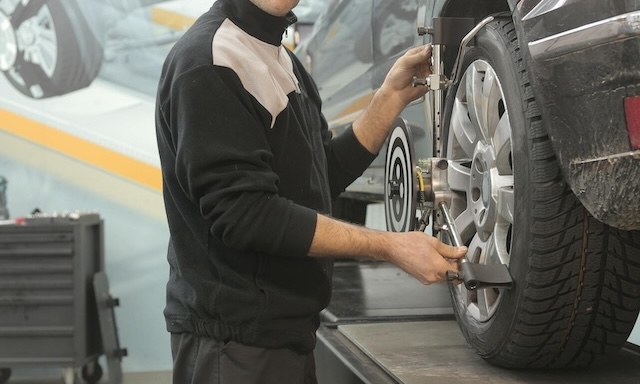
If you spot any of the above suspension symptoms on their own, you likely simply need an alignment. It's also recommended that you get an alignment after installing new tires, following a suspension or steering repair, and after a collision or pothole impact.
Additionally, it's a good idea to get an alignment service every two years to maintain optimal alignment tolerances. This routine care is crucial for your Subaru’s suspension health, and it will help you avoid costly fixes down the road.
What Are The Benefits Of Tire Alignment?
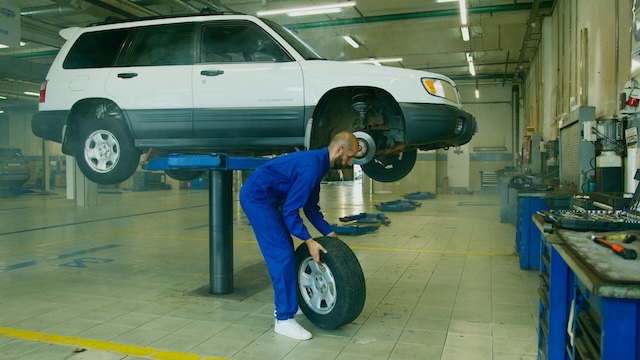
A proper tire alignment offers numerous advantages:
- Prolonged tire life
- Improved fuel efficiency
- Enhanced handling and safety
- Prevention of expensive suspension repairs in the future
Think of a Subaru alignment as another regular maintenance item, just like oil filter and air filter changes, to keep your vehicle in top shape. Alignments don’t last indefinitely, so occasional Subaru alignment adjustments are natural to keep everything dialed in, saving you lots in tire and fuel costs over time.
Why Is Your Subaru Still Pulling To One Side After Alignment?

All that being said, if you’ve had a Subaru wheel alignment or checked it recently but still feel a pull to one side, there may be other, more serious issues to troubleshoot. Let’s dive into a few potential causes to help you diagnose your Subaru steering problems effectively.
What Common Problems Can Cause Your Subaru To Pull To One Side?
- Braking System Problems: A pull during braking might mean you've got sticking brake calipers or hydraulic issues, causing drag. Watch for burning brake smells.
- Suspension Issues: Worn Subaru suspension components like control arms, bushings, ball joints, or tie rods can cause erratic steering.
- Road Surface: A “crown” in the road (raised center for drainage) can cause drift - and some roads have fairly severe crowns. Check if the pull matches the slope on specific roads. Be aware that some technicians will sometimes adjust alignment settings to compensate for this, potentially causing a mild pull on flat surfaces.
- Torque Steer: Unequal drive forces during acceleration (common in front-wheel-drive vehicles) aren’t alignment-related - you can test for torque steer by coasting in neutral.
- Memory Steer: Sticky components like strut bearings or tie rods can cause inconsistent pull, aka memory steer.
What Tire Issues Can Cause Your Subaru To Pull To One Side?
- Air Pressure Differences: Low pressure increases rolling resistance, causing drift. Check Subaru tire pressure per manufacturer specs.
- Old or New Tires: Uneven tread depths cause a pull - install new Subaru tires on the rear and replace pairs on the same axle.
- Tire Rotation: Moving a problem tire to the front can cause a pull due to mismatched tire wear levels or pressures.
- Tire Conicity: Occasionally drivers may encounter a tire manufacturing defect that causes a cone-like roll, with the pull worsening at higher speeds. Rotate or swap tire sides to test for conicity.
- Tire Separation: Tires have internal belts that may fail, leading to shakes or shimmy, especially at low speeds. Separated tires have to be replaced.
OEM Subaru Steering And Suspension Parts From Subaru Parts Plus
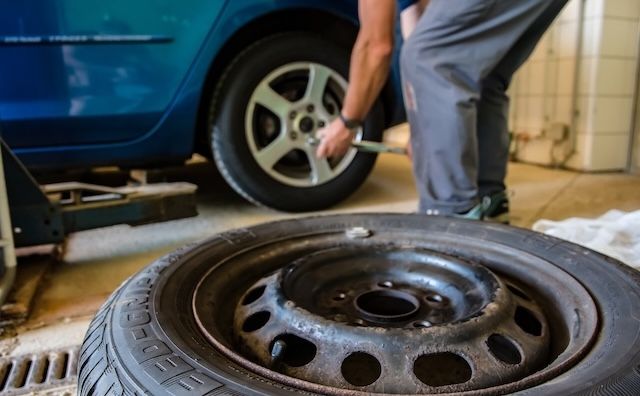
If you find your issues are more than a simple alignment, shop Subaru Parts Plus for genuine Subaru suspension components. We have decades of experience in selling wholesale Subaru parts. Additionally, our OEM Subaru steering parts and suspension parts come with a Subaru replacement parts warranty for added peace of mind.
Check us out for Subaru suspension parts at competitive prices, perfect for your Subaru whether new or classic. Contact our expert team for help finding the right Subaru suspension replacement parts today!