

Why A Quality Replacement Brake Pad Is Important
Brake pads are one of the most important parts of your vehicle. On your car, brake pads work in tandem to pinch the rotors and help slow your car. Over time these pads are exposed to tons of heat, changing temperatures, and high pressures. Brake pads can be made of everything from ceramics to semi-metallics to organics. If you'd like to look through our brake pad offerings, you can browse our selection here. With all these different materials that brake pads can be made of, it's tough to decide which materials and designs are correct for your vehicle and driving habits. This post will help you decide.
Common Brake Pad Materials
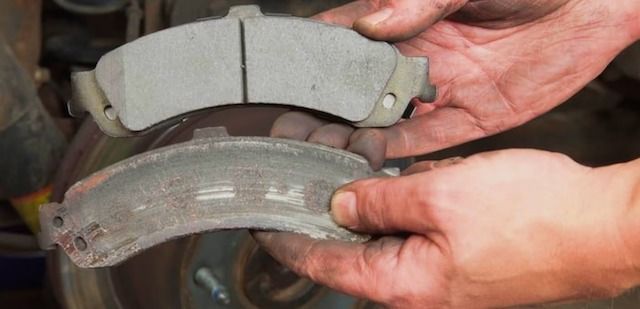
As brake pads have evolved, different materials have been developed for different kinds of applications. There are three primary types of materials in use today.
- Ceramics - Ceramic brake pads are often used in OEM applications because they last a long time, are quiet, and don't produce much dust. The downside to ceramic brakes is that they don't heat up quickly, so they don't bite as well at low temperatures. Ceramic pads are great for daily drivers.
- Metallics - Brake pads based on metallic compounds provide increased bite vs ceramic pads. But they also make more noise and produce more dust. Additionally, they will wear down rotors more quickly than organic or ceramic pads. Metallic brake pads are often used in high-performance applications.
- Organics - Pads with organic compounds are softer than metallic or ceramic formulations. Organic pads provide a good bite initially and help preserve the life of the rotors. They are less expensive than other compounds, but won't last as long.
In addition to the above compounds, many blends mix one or more basic materials to achieve the desired performance characteristics.
How Do Brake Pads Work?
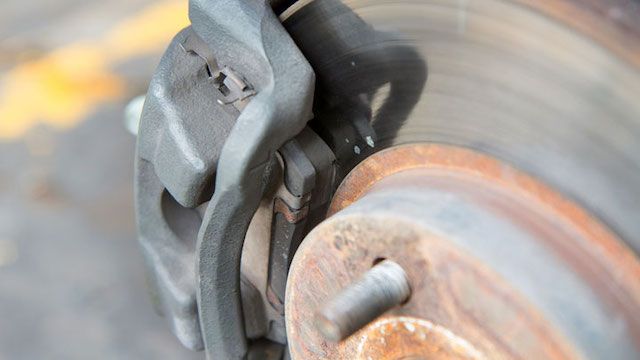
A pad and rotor system is the most common type of brake system on modern vehicles. Attached to each wheel of your car is a metal rotor that spins along with the wheel. When you press the brake pedal, fluid is pressurized which causes the pads on either side of the rotor to pinch together, causing the car to slow. When these pads squeeze the rotor, they generate extreme heat. They also produce brake dust from the pad wearing. Brake dust buildup can cause the brakes to squeal. The many types of pads provide differing levels of heat protection, noise, and braking distances.
If you're not using quality brake pads, you'll experience:
- Longer stopping distances
- Excessive brake dust
- Faster pad wear
- Poor heat dispersal
- Brake noise or squealing brake pads
Essentially, buying brake pads is one of the most important parts of maintaining the brake system. With high-quality pads, you'll often find your car can stop shorter and more quickly than with lesser pads. In more dangerous situations, these stopping distances can become incredibly important to help keep you safe. With lower-quality pads, you'll often be subject to more pad replacements, brake noise, and, generally, more work to keep your car on the road. Plus, with more brake pad wear from lower-quality pads, your car will often have dirtier, grimier dust-covered wheels. Selecting the right pads is often a tedious process, but understanding that cheaper pads mean lesser stopping ability is very key to keeping yourself safe.
High Quality Brake Pads From Subaru Parts Plus
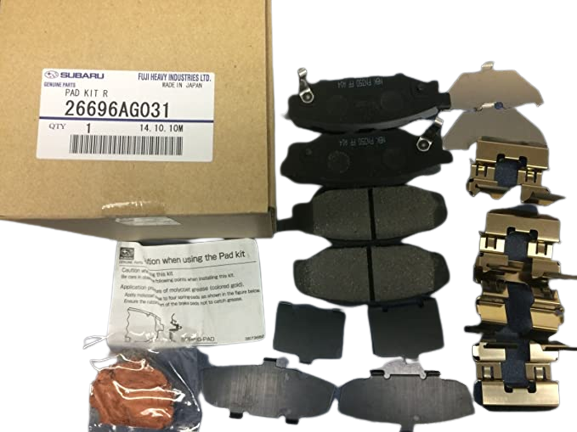
When it comes to keeping your Subaru stopping at its best, look no further than Subaru Parts Plus. With more than 15 years in business and a passionate team of Subaru enthusiasts on staff, we're here to help keep your Subaru out on the roads. As part of a Subaru dealership, we're happy to offer Subaru's OEM parts manufacturer warranty. You can give us a call at 1-888-294-4979 or contact us here.