

Timing Belt vs. Timing Chain: Which Does Your Subaru Have?
If there is one system in your Subaru that needs to run perfectly, it's your timing system. You’ve probably heard the horror stories: a snapped belt, a silent engine, and a repair bill that costs more than your car.
But not every Subaru has a timing belt. In fact, many modern Subarus have switched to a timing chain - a part designed to last the life of the engine. So, which one is under your hood? And more importantly, do you need to worry about it?
Here is the quick guide to determining whether your Subaru has a belt or a chain, and how to keep your boxer engine happy either way.
Does My Subaru Have A Timing Belt Or Timing Chain?
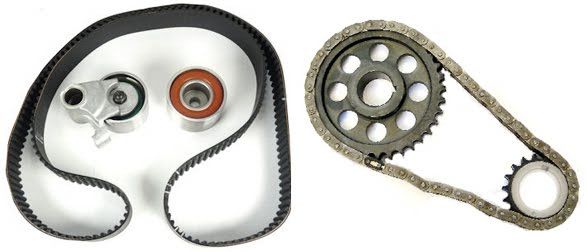
We’ve broken down the timing chain - or - timing belt information by model below - however, you should always refer to your owner's manual for the most up-to-date and correct information as this is only a general guide:
| Subaru Model | Model Years | Timing System | Notes |
|---|---|---|---|
| Forester | 1998 – 2010 | Timing Belt | EJ Engine |
| Forester | 2011 – Present | Timing Chain | FB Engine |
| Outback* | 1998 – 2012 | Timing Belt | 4-Cylinder EJ Engine |
| Outback* | 2013 – Present | Timing Chain | 4-Cylinder FB Engine |
| Impreza | 1993 – 2011 | Timing Belt | |
| Impreza | 2012 – Present | Timing Chain | |
| Crosstrek | 2013 – Present | Timing Chain | All Years |
| WRX | 2002 – 2014 | Timing Belt | EJ Engine |
| WRX | 2015 – Present | Timing Chain | FA Engine |
| WRX STI | 2004 – 2021 | Timing Belt | EJ Engine (Entire Production Run) |
| BRZ | All Years | Timing Chain |
*Note: All 6-cylinder (3.0L and 3.6L) Subaru Outbacks since 2001 use a timing chain.
Timing Belt Must-Do Maintenance
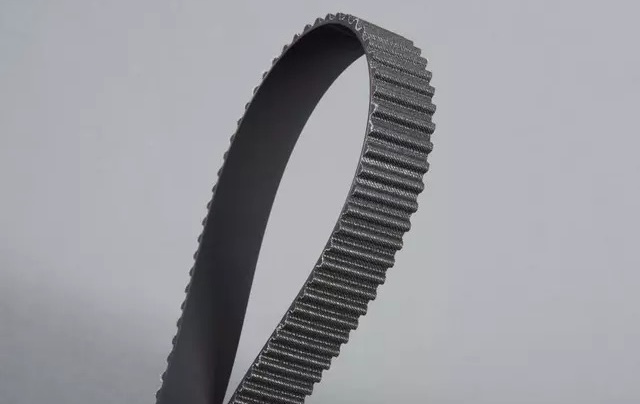
If your car is on the belt list above, this is your wake-up call. Subaru engines are interference engines and in plain English that means that if your timing belt snaps while you are driving, the pistons will smash into the valves, causing catastrophic engine failure.
Subaru typically recommends replacing the timing belt every 105,000 miles or 7 years. However, the 'while you're in there' rule is always a good guide for peace of mind.
If you're doing major maintenance - or having major work done - on your Subaru, then while you're in there, it makes sense to replace the timing belt as well. Replacing the water pump, tensioner, and idler pulleys at the same time is also wise. These parts live behind the belt, and if they fail later, you have to do the whole job over again.
If you're maintenance-minded and have the skills, you can do this work yourself. You'll need some know how and semi-professional tools, but it's doable for those with the know-how. If you'd rather leave it to the pros, consider ordering your parts online to save big on parts costs, and taking them to your local dealer or mechanic of choice for installation. You can explore the wholesale prices we offer on these parts here:
- Subaru Timing Belts
- Subaru OEM Water Pumps
- OEM Subaru Tensioners
- Genuine Subaru OEM Pulleys
Long-Life Timing Chains
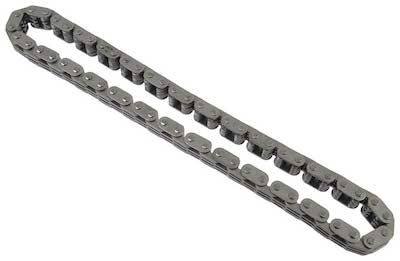
If your Subaru has a chain, you can breathe a little easier. Metal chains don't wear the same way rubber belts do. They are usually designed to last the life of the vehicle. However, maintenance-free doesn't mean you should ignore it.
- Timing chains are lubricated by your engine oil. If you skip oil changes or let your oil level get low, the chain can stretch, and the tensioners can fail.
- Often the first sign of a dying chain isn't a snap - it's a rattle on a cold start that goes away as the car warms up - if you hear it, don't ignore it!
Symptoms Of Timing System Problems

Whether you have a belt or a chain, your Subaru will usually try to warn you before a component goes bad. Listen for these signs:
- Ticking or Rattling: A slapping/tapping sound coming from the front of the engine cover.
- Misfires: If the timing is slightly off, the engine will run rough or stumble.
- No-Start: If the belt has already stripped some teeth, the engine might crank but refuse to fire.
- Check Engine Light: Codes for camshaft/crankshaft correlation are a major red flag.
OEM Subaru Timing Components From Subaru Parts Plus
If you have a timing chain, be certain to keep up with your oil changes, and you’re likely good for many years and miles to come.
If you have a timing belt and you’re approaching that 105k-mile mark (or earlier, if you're already having work done or notice issues), don’t gamble. It is smarter to replace a belt now than an engine later.
Contact us if you need help finding the right OEM Subaru timing assembly parts for your vehicle - and order today!