

How To Diagnose A Failing Brake Pad
On any vehicle, one of the most critical safety systems is your braking system. Modern disc brakes are fairly straightforward, and you can inspect them for proper function relatively quickly. Earlier cars used drum brakes, but modern vehicles use a disc and pad system, which lasts much longer. They are also easier to maintain and weigh less.
When a brake pad fails, it is usually quite noticeable. Symptoms can include strange smells, soft pedal feel, or the steering wheel wanting to jerk in one direction or another. In this article we'll cover some common issues and failure points, and talk about how you can identify and diagnose a failing brake pad before it becomes a bigger problem. If you'd like to learn more about your Subaru brake pads and how they can fail, read on.
How Do Your Brake Pads Work?
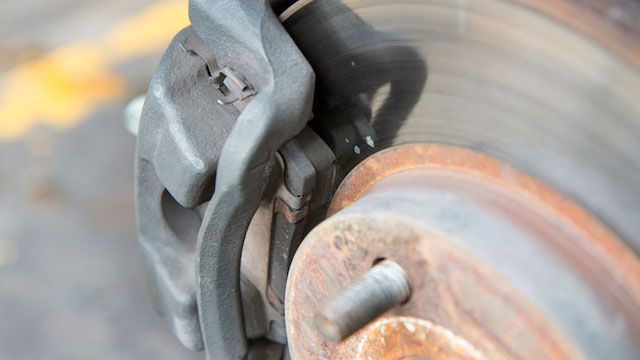
If you look at one of the wheels on your Subaru, you'll see that the disc brake system is made up of four main parts:
- Brake pads
- Brake rotor
- Brake caliper
- Brake lines/fluid
When you step on the brake pedal, that pressure is transferred by the brake fluid (through the brake lines) to the caliper. The caliper then pinches the two brake pads against the rotor to slow the rotor and wheel. If your caliper is worn, the brake pad may not retract correctly and can continue to rub against your rotor throughout your drive. This will heat the pad and rotor and cause them to wear much faster than the manufacturer intended.
How To Diagnose A Failing Brake Pad?
When a brake pad fails, it is usually due to simply wearing out. Driving style and conditions greatly impact how long brake pads will last and/or what types of braking problems you might encounter. Brake pads on a light-duty vehicle driven mostly on the highway will last much longer than those on a heavy-duty vehicle driven mostly in town with lots of starting and stopping. Some common signs of a failing brake pad include:
- Steering wheel pulls in one direction or vibrates while braking
- Squealing, grinding, or screeching noises from the wheels
- Unusual smell
- Brakes feel squishy
- Elongated braking distances
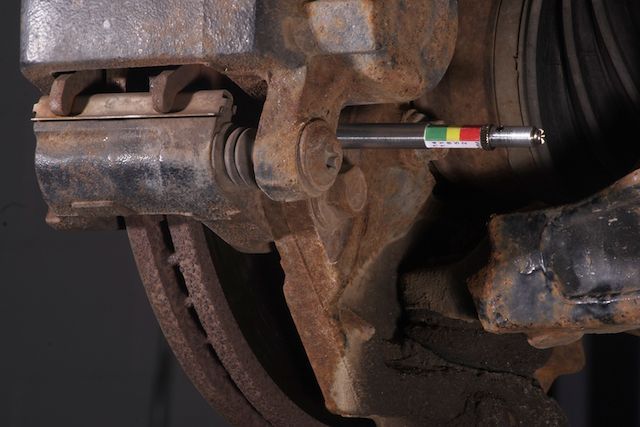
If you're experiencing any of the issues noted above, you should inspect your brake pads as soon as possible. By removing the wheel, you can see the thickness of the remaining pad to help determine if your pads are failing. A failing or gabbing pad also often leaves marks or grooves on the rotor. Inspect your rotors thoroughly - sometimes a flashlight is helpful for seeing inside your wheel. You can also use a brake pad measuring gauge if desired to see if your pads are ready to be replaced.
If you're having issues with your brakes, or anything else with your Subaru, call us at 1-888-294-4979. As part of our family-owned dealership, our team of Subaru enthusiasts is happy to help you find the proper fix and get your Subaru back in action. All our parts are backed by Subaru's OEM manufacturer warranty. If you'd like to know more, you can contact us here.