

How To Diagnose Failing Suspension Control Arms: Common Control Arm Problems
Is your Subaru's ride feeling a bit odd? It might be one of your control arms. If so, this guide will help you understand how to diagnose a failing control arm, what to look for, and how to troubleshoot issues effectively.
The Role Of A Suspension Control Arm
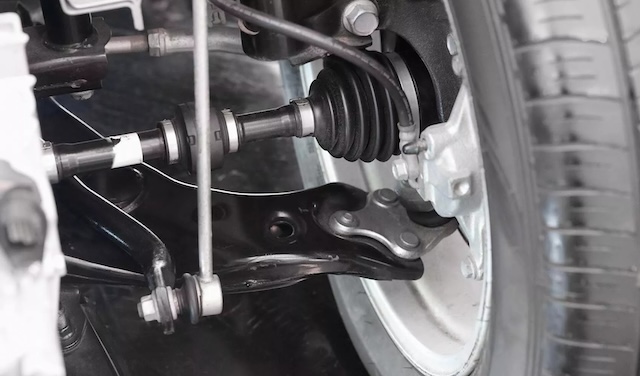
A suspension control arm, or "control arm," is a hinged suspension link between the chassis and the suspension upright or hub that carries the wheel. Its primary job is to control the motion of the wheels, ensuring they stay aligned and connected to the vehicle body while absorbing the shocks and bumps from the road.
When working properly, a healthy control arm ensures a smooth, stable ride with no unusual noises or vibrations. However, when it starts to fail, it displays one or more noticeable symptoms.
Signs Of A Failing Control Arm
A failing control arm can lead to a variety of issues, many serious if they are not addressed. Here are the typical stages of failure:
Early symptoms of a failing control arm will typically include one or more of the following problems:
- Slight vibrations in the steering wheel
- Uneven tire wear
- Clunking noises over bumps
The symptoms can become more severe as the control continues to wear out. In addition to more noticeable vibrations and increased noise when going over bumps, you may notice the steering pulling to one side. If you notice the issues worsening, it's important to check the problems out as soon as possible.
Complete control arm failure will vary a bit. When a control arm fails, it causes a myriad of other serious issues for the vehicle, including severe vibrations and uneven tire wear. More importantly, a bad control arm will cause severe vibrations when driving, leading to difficulty steering the vehicle.
Common Problems With Control Arms
Control arms can fail for several reasons. Typical causes include:
- Worn-out bushings
- Ball joint failure
- Corrosion or rust
- Physical damage from road impacts or other hazards
How To Diagnose Control Arm Issues
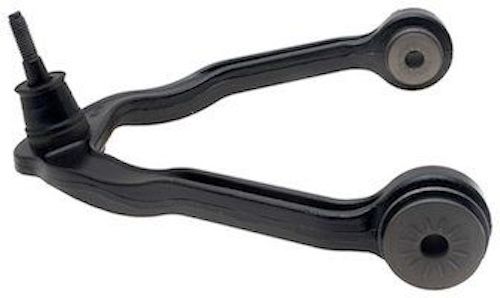
Diagnosing a control arm issue involves a few steps and tools. Here’s how to do it:
To conduct a simple visual Inspection, you'll only need a flashlight, jack, and jack stands. Steps include:
- Lift the vehicle with a jack and secure it with jack stands.
- Inspect the control arm and bushings for cracks, rust, or damage.
- Check the ball joint for wear and tear.
Another diagnostic method is to check for play. All you'll need is a pry bar - here are the steps:
- Place the pry bar between the control arm and the vehicle's frame.
- Gently pry to check for excessive movement.
- If there is significant play, the control arm bushings or the control arm itself may be worn out.
Genuine OEM Control Arms From Subaru Parts Plus
Diagnosing a failing control arm early can prevent bigger problems down the road, saving you valuable time and money. Regular inspections and understanding the signs of failure are the key to fixing the issue.
If you need to replace a control arm on your Subaru, your best bet is Subaru Parts Plus. When you buy from us, you get the following:
- OEM parts backed by a Subaru warranty
- Expert advice from our experienced, knowledgeable associates
- Fast shipping to your door
We are a family-owned, authorized dealer of OEM Subaru parts. All parts we sell are backed by a Subarus manufacturer warranty. If you need help, contact us online or call us at 1-888-294-4979.