

How To Replace Subaru Brake Pads
When it comes to your Subaru, brake pads are vital to keeping you and all your passengers safe. Thanks to modern brake pad designs, factory brake pads can last many thousands of miles before needing replacement. In a few previous posts, we've covered the history of brake pads and what high-quality brake pads are typically made from. If you'd like to learn more about replacing the brakes on your Subaru, read on. If you're looking for brake pads for your Subaru, click here.
Brake Pad Wear
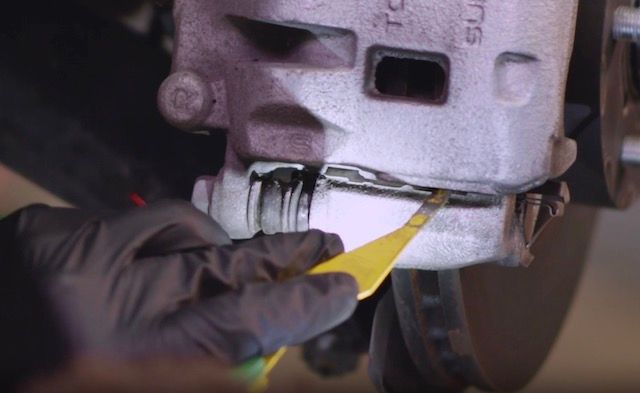
Like other consumable parts in your vehicle, the brake pads in your Subaru will wear out. Brake pads see high temperatures, pressures, and regular use. In many cases, brake pads will last 50,000 miles or more. If you do a lot of stop-and-go driving in the city, they may not last so long. You should hear a squealing noise when the brake pads are close to worn out. The noise is made by a wear indicator, which is designed to make this noise to let you know it's time to put in new brake pads.
Is your Subie throwing a code? If you have an OBD-II code reader and you see the codes below, there's likely a brake system issue that can involve the need for new brake pads:
| Code | Issue |
| P0703 | Brake switch input malfunction |
| P0778 | Brake pressure control solenoid valve (2-4 brake duty solenoid) circuit malfunction |
| P0785 | Brake timing control solenoid valve (2-4 brake timing solenoid) circuit malfunction |
| P1704 | Brake timing solenoid valve circuit malfunction |
| P1705 | Brake pressure solenoid valve (solenoid D) circuit malfunction |
Replacing Pads
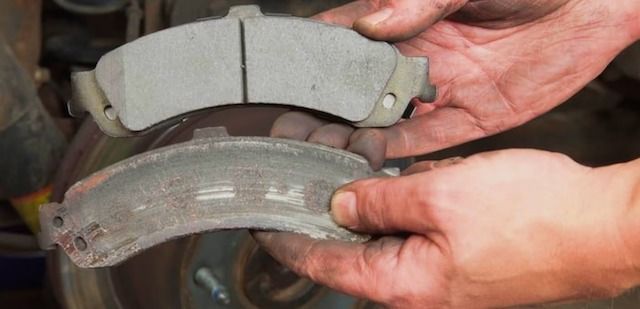
It's pretty easy to replace your brake pads. You'll need a jack, jack stands, and some common tools. Here's a step-by-step overview:
- Find a flat area with plenty of space.
- Lift one end of the car and support it with jack stands.
- Remove the wheels.
- Remove one guide pin bolt.
- Swing the caliper outwards, and remove the old pads. Take note of the position of the spring clips before you remove the pads.
- Push the piston back into the caliper using a brake piston tool or a prybar. If you use a prybar, use an old brake pad to protect the piston and seal.
- Lubricate the backside of the new brake pads where they contact the caliper.
- Install the new brake pads into the caliper, and swing it over the rotor. Be careful not to get grease on the pads.
- Reinstall the guide pin bolt.
- Once you're done putting the wheels back on, start the car and depress the brake pedal slowly a few times. Drive very slowly until you are sure the brakes are functioning properly.
Subaru OEM Brake Pads Are The Best Value
We always recommend using Subaru OEM brake pads. Here's why:
- Subaru brake pads are designed to minimize brake dust and noise. They are also designed to match the material used in your OEM rotors, helping them to last longer.
- Subaru OEM brake pads carry a one-year warranty with no mileage restriction. Most aftermarket brands don't have any brake pad warranty.
Our team at Subaru Parts Plus is happy to help you find the right brake pads for your ride. We sell OEM parts for less, helping to lower your brake pad replacement cost while still using OEM quality pads. We've been in business for more than 15 years, and Subaru's OEM manufacturer warranty backs all our parts. You can contact us here, or give us a call at 1-888-294-4979.