

Subaru Oxygen Sensor Buyer's Guide
Oxygen sensors are a small, simple, yet crucial component of a vehicle's emissions system. This buyer's guide covers everything you need to know about oxygen sensors, how to pick a replacement, and how to replace it.
What Is An Oxygen Sensor?
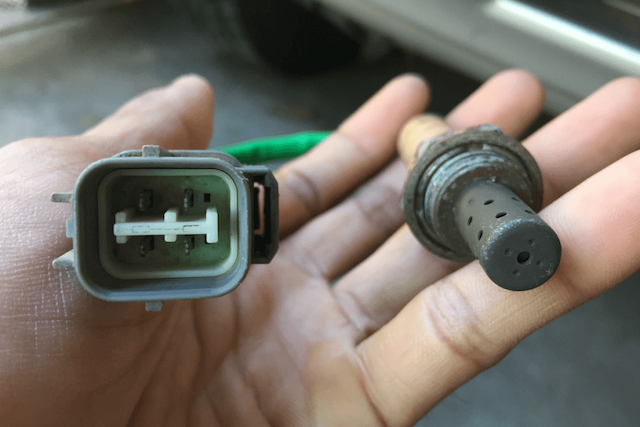
Image Credit: ProtectMyCar
Oxygen sensors play an important role in making sure your vehicle is running efficiently. They detect the amount of oxygen in the exhaust system. The sensor(s) then sends this data to the ECU. The ECU uses this data, and other data points, to control the air to fuel ratio. Read more about oxygen sensors and how they work in this post.
How To Know If Your O2 Sensor Is Failing
When your oxygen sensor is failing, the ECU is not able to properly regulate the air and fuel ratio. This causes the engine to not receive the appropriate fuel mixture which will cause noticeable issues. These issues can include:
- Check engine light
- Rough idle
- Lackluster acceleration
- Long crank when starting
- Engine running hot
- The smell of Gasoline at idle
If you are experiencing any of these issues, the first step is to plug an engine code scanner into your vehicle's OBD2 port. A code scanner will read all active codes your engine's ECU is reporting. If your oxygen sensor is not responding correctly, then the code reader will display the appropriate code as well as the location of the malfunctioning sensor. Read more about troubleshooting your oxygen sensor here.
Are OEM O2 Sensors Better Than Aftermarket?
When looking for an oxygen sensor, there are OEM options and aftermarket options. Aftermarket options are attractive, mainly because they appear to be the right part at a much lower cost. However, with an aftermarket part, you often get what you pay for. When looking for a replacement part for your vehicle, the main factors to consider are cost, quality, and fitment. OEM parts use the same materials, and are designed to function the same, as the original component. That's why OEM replacement parts are recommended over aftermarket options.
While they may be more competitively priced, aftermarket parts often use lower-quality materials and often designed to fit multiple vehicles. To learn more about the differences between aftermarket and OEM oxygen sensors, check out this post.
Replacing A Subaru WRX Oxygen Sensor
Check engine lights are daunting. The very sight of them can make your wallet tremble. But, sometimes the issues are relatively straightforward and cost-efficient. Replacing an oxygen sensor can be an easy do-it-yourself task with the right tools. All you need is a 22mm wrench and a replacement oxygen sensor. Read more on how to replace the oxygen sensor in your WRX here.
Subaru Parts Plus is an authorized online dealer of OEM Subaru parts. All parts we sell are backed by a Subarus manufacturer warranty. If you need help, contact us via our online form or call us at 1-888-294-4979.