

Subaru Brake Pad Buyer's Guide
Brake pads play a critical role in helping to slow down or stop your Subaru. They are among the most heavily used parts on your car, so they wear out and need to be replaced regularly. High-quality brake pads can last more than 50,000 miles, depending on driving conditions. But over time, as the pads wear, their stopping power diminishes. If you wait too long to replace them, they can cause other problems, including damaging other brake components or even failing to stop the car.
For that reason, we put together this Subaru brake pad buyer's guide to cover the following:
- What are brake pads?
- How to diagnose a failing brake pad?
- The differences between OEM and aftermarket brake pads.
- Where to buy brake pads for your Subaru.
What Are Brake Pads?
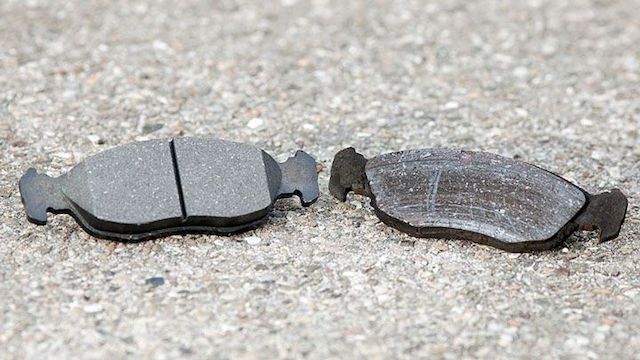
Brake pads are the parts that get squeezed against the brake rotors when the brakes are applied. They are mounted inside the brake calipers and have a friction material made of ceramic or a semi-metallic compound. The friction generated from the brake pads slows and stops your Subaru.
When new or in good condition, the brake pads do an excellent job of stopping your car. However, over time the friction and heat generated from the brakes wear down the brake pads, so they need to be replaced. That's why it's important to check the condition of your brakes regularly and replace them with high-quality pads before they get really bad or - even worse - completely fail.
How To Diagnose A Failing Brake Pad
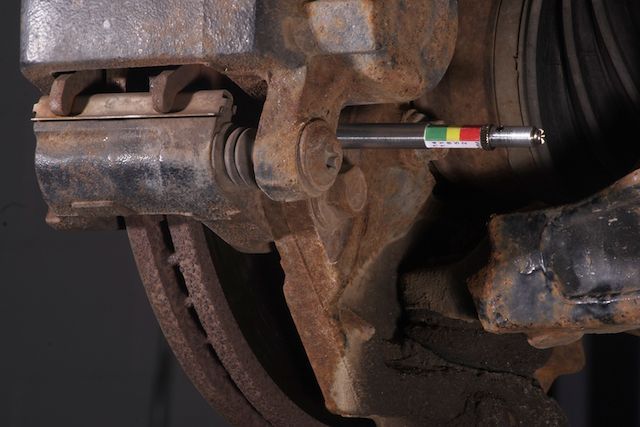
When a brake pad wears out, it affects the stopping performance of your vehicle. There are a number of common brake pad problems, but the most common symptoms include the following:
- Longer stopping distances
- The car pulls to one side while braking
- You feel a vibration in the steering wheel or the brake pedal when applying the brakes
- The brakes make a squealing or grinding noise when applied
- You notice a burning smell coming from the brakes after they've been applied
As a rule, checking your brakes at every oil change is a good idea, or at least once or twice a year. However, if you notice one or more of the above symptoms, it's important to check your brakes as soon as possible. Once the brake pads are completely worn, they could damage other parts of the braking system, including the brake calipers and rotors, and fail to stop the car.
This article provides more information on how to diagnose a failing brake pad, including how to inspect your brakes.
Aftermarket vs. OEM Subaru Brake Pads
You might wonder if you can save a little money by going with aftermarket brake pads. While it is possible to find aftermarket brake pads that are cheaper to buy, they likely will not perform as well or last as long as OEM brake pads. This is because the OEM brake pads were engineered for your Subaru's brake system and provide the following benefits:
- Better, more responsive stopping performance
- Longer lasting
- Better fit with easier installation
- Backed by an OEM warranty
For more info on OEM Subaru brake pads, check out this article on OEM vs. aftermarket brake pads.
Subaru Parts Plus Has Quality OEM Brake Pads
Subaru Parts Plus has you covered for brake pads and all of your Subaru parts needs. We are a passionate team of Subaru enthusiasts with over 15 years in business. As part of a Subaru dealership, we only sell genuine Subaru parts backed by an OE manufacturer warranty.
Call us at 1-888-294-4979 or contact us online if you need help or have questions.